
The 411 on Electronic Liability Waivers in the Tour Industry

The 411 on Electronic Liability Waivers in the Tour Industry

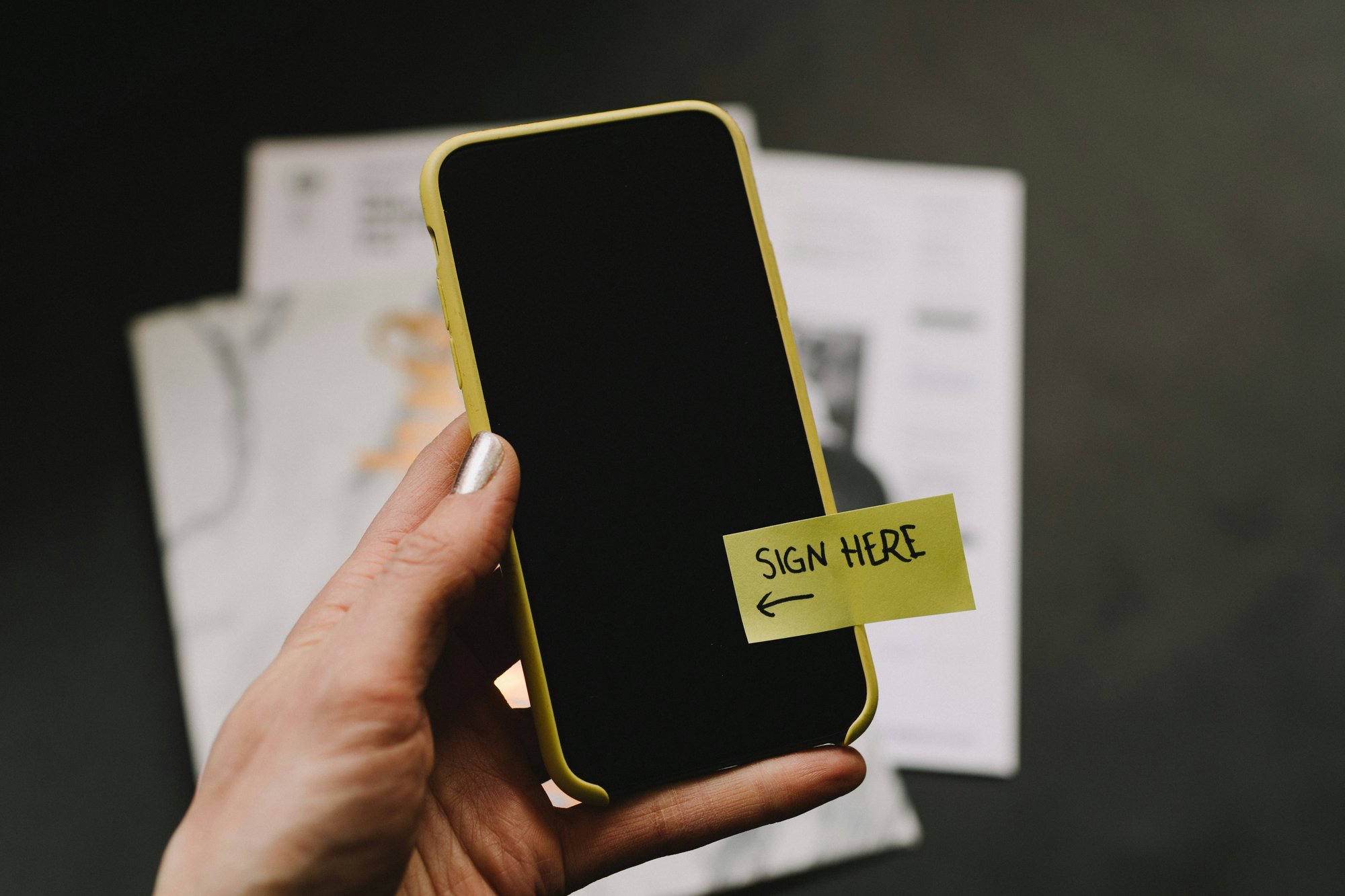
From zipline adventures and kayaking excursions to food tours, sightseeing experiences, and guided outdoor activities, electronic liability waivers have become a common tool throughout the tour industry. Digital waivers offer operators a convenient way to collect participant acknowledgments, streamline check-in, and reduce paperwork.

However, electronic waivers also present unique challenges, especially when guests complete them before arriving for a tour. While digital technology can improve efficiency, tour operators must still be able to demonstrate who signed the waiver and whether the participant knowingly accepted the risks associated with the activity.

Legal Disclaimer

This article is intended for general educational purposes only and is not legal advice. Every tour company and situation is different. Liability waiver laws, electronic signature requirements, and rules regarding minors vary by state and jurisdiction. Tour operators should consult qualified legal counsel regarding their waiver language, electronic signing procedures, and risk management practices.

The Benefits of Electronic Liability Waivers

1. Faster Check-In and Departure

One of the biggest advantages of electronic waivers is speed. Guests can complete waivers before arriving, allowing tour guides and staff to focus on customer service rather than paperwork.

For tours with scheduled departures, reducing check-in time helps keep operations running on schedule and minimizes delays.

2. Improved Guest Experience

Travelers increasingly expect digital convenience. Allowing guests to review and sign waivers on their phones or computers before a tour creates a smoother and more professional booking experience.

Many guests appreciate having the opportunity to complete required documents before arriving at the meeting location.

3. Better Record Management

Paper waivers can be difficult to organize and retrieve, especially for tour operators managing large numbers of guests across multiple locations.

Electronic waivers provide searchable, centralized records that can be accessed quickly if questions arise after an incident or claim.

4. Easy Updates and Consistency

Tour operators frequently add new activities, equipment, routes, or locations. Electronic waiver systems allow companies to update waiver language quickly and ensure every guest signs the most current version.

5. Valuable Audit Information

Most electronic waiver systems capture information such as:

  • Date and time of signing
  • Email address
  • IP address
  • Device information
  • Electronic acknowledgment records

These details may help document how and when a waiver was completed.

The Challenges of Electronic Liability Waivers

1. The Biggest Challenge: Identifying the Actual Signer

The most significant issue with sign-at-home waivers is proving who actually signed the document.

When guests sign waivers during check-in, staff can often verify identity by reviewing a driver's license, passport, or other identification. When waivers are completed remotely, that opportunity does not exist.

A waiver may contain a guest's name and electronic signature, but that does not necessarily prove that the guest personally completed the form. A spouse, friend, travel companion, family member, or group organizer could potentially complete the waiver on someone else's behalf.

If an injury claim or lawsuit later arises, the question may become:

Can the tour operator prove that the participant personally signed and agreed to the waiver?

2. Electronic Signatures Can Be Disputed

A guest may later claim:

  • They never signed the waiver.
  • Someone else completed the waiver for them.
  • They never reviewed the document.
  • They were unaware of the risks described in the waiver.

If the operator cannot establish who actually completed the waiver, defending the validity of the agreement may become more difficult.

3. Group Bookings Create Additional Concerns

Many tours are booked by a single individual on behalf of an entire group. This creates additional risk because one person may distribute waiver links or provide participant information for multiple guests.

In these situations, it becomes even more important to establish that each participant personally reviewed and signed the waiver.

4. International Travelers Add Complexity

Tour operators frequently serve guests from different states and countries. Language barriers, unfamiliarity with local laws, and varying expectations regarding liability waivers can create additional challenges.

Providing clear instructions and ensuring guests understand the waiver process can help reduce misunderstandings.

The Sign-at-Home Problem: Proving Identity

For tours that allow guests to sign waivers before arrival, identity verification is often the weakest point in the process.

The issue is not whether the waiver was signed electronically. The issue is whether the tour operator can establish who completed the signature.

One of the strongest methods of verification is obtaining a brief video from the participant. For example, the guest could record a short video stating:

  • Their full name
  • The date
  • That they reviewed the waiver
  • That they are the person signing the waiver
  • That they understand and accept the risks associated with the tour or activity

While no verification method is perfect, a video provides significantly stronger evidence of identity than an electronic signature alone.

For remotely signed waivers, establishing who actually executed the agreement is often the most important risk-management issue a tour operator will face.

Best Practices for Tour Operators

Verify Guest Identity

Whenever practical, consider:

  • Checking government-issued identification at check-in
  • Matching waivers to reservation records
  • Using email or text-based verification
  • Linking waivers to customer accounts
  • Using video verification for higher-risk activities

Require Individual Signatures

Avoid situations where a single guest signs on behalf of an entire group unless legally appropriate. Whenever possible, require each participant to complete and acknowledge their own waiver.

Confirm Participation at Check-In

Even when waivers are signed in advance, staff should confirm participant information upon arrival and verify identities when appropriate.

Use Clear and Understandable Language

Guests should clearly understand:

  • The nature of the activity
  • The risks involved
  • Safety requirements
  • The rights addressed by the waiver
  • Their responsibilities as participants

Clear language is especially important when serving tourists from diverse backgrounds.

Maintain Thorough Records

Keep all available documentation, including:

  • Signed waivers
  • Time stamps
  • Electronic audit records
  • Reservation information
  • Email confirmations
  • Verification records
  • Video recordings, if used

Comprehensive documentation may be invaluable if an incident occurs.

Train Guides and Staff

Employees should understand:

  • How the waiver system works
  • Identity verification procedures
  • Check-in requirements
  • Documentation standards
  • Incident reporting procedures

Consistent processes help strengthen the overall effectiveness of the waiver program.

Review Waivers Regularly

Tour operators should periodically review their waiver language and procedures with qualified legal counsel to account for changes in business operations, industry practices, and applicable laws.

The Bottom Line

Electronic liability waivers offer significant advantages for tour operators, including faster check-in, improved guest experiences, better recordkeeping, and greater operational efficiency. For many companies, they have become an essential part of the customer journey.

However, operators should recognize that the greatest challenge associated with sign-at-home waivers is proving who actually signed the document. An electronic signature may show that a waiver was completed, but it does not always establish the identity of the person who signed it.

For this reason, tour operators should focus on strong authentication procedures, clear waiver language, thorough recordkeeping, and consistent check-in practices. In situations where remote signing is allowed, additional measures such as video verification can provide stronger evidence that the participant personally reviewed and executed the waiver.

By combining sound waiver practices with effective identity verification, tour operators can better protect their businesses while continuing to provide a convenient experience for guests.